

Why Does My Dog Eat Rocks?
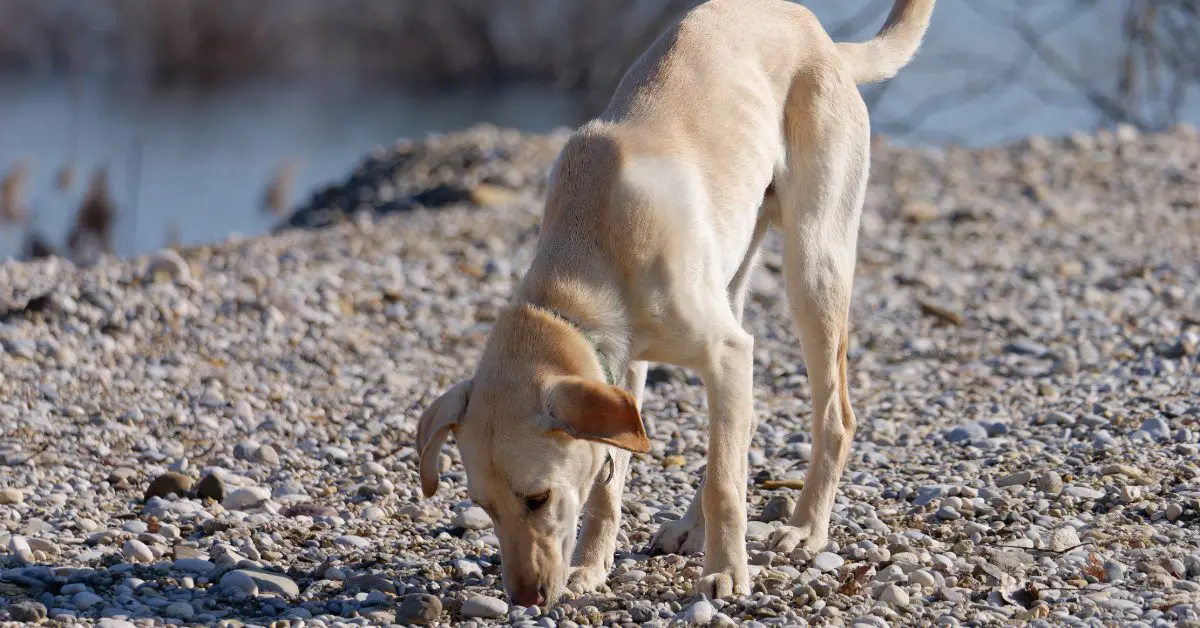
You catch your dog nosing around the yard, and before you can react, they’ve scooped up a rock and started chewing. If you’ve ever witnessed this and thought, “Why on earth does my dog eat rocks?”, you’re right to be concerned. Dogs eating rocks is more than just a quirky habit. It can signal a medical condition, a behavioral issue, or a nutritional gap that deserves immediate attention. Understanding why your dog is drawn to rocks and what to do about it could genuinely save their life. Read on to learn what’s behind this dangerous behavior and why a visit to your veterinarian is the most important step you can take.
What Is Pica in Dogs?
When a dog repeatedly eats non-food items like rocks, dirt, socks, or sticks, veterinarians often diagnose the behavior as pica. Pica is a compulsive eating disorder in which animals (and humans) crave and consume substances that have no nutritional value. In dogs, pica can be triggered by a wide range of underlying causes, and rock eating (sometimes called lithophagia) is one of the more dangerous manifestations of this condition. Unlike a dog who occasionally mouths objects out of curiosity, a dog with pica will actively seek out and swallow non-food items with intention and regularity. This behavior is not something a dog simply “grows out of,” and it is rarely resolved without professional intervention. If your dog eats rocks regularly, that pattern is a meaningful symptom worth discussing with your vet as soon as possible.
How Is Pica Diagnosed?
Diagnosing pica requires a thorough veterinary examination that goes beyond simply observing the behavior. Your veterinarian will likely review your dog’s full medical history, conduct bloodwork, and may recommend imaging like X-rays to check for any swallowed objects already in the digestive tract. Identifying the root cause, whether medical, nutritional, or behavioral, is essential to forming an effective treatment plan. Pica is not a standalone diagnosis but rather a symptom that points to something deeper going on in your dog’s body or mind. The sooner you bring your dog in for an evaluation, the better the chances of catching a serious problem before it becomes a crisis.
Why Does My Dog Keep Eating Rocks? Common Causes
There is no single answer to why dogs eat rocks, and that’s part of what makes this behavior so important to take seriously. Rock eating can stem from medical conditions, nutritional deficiencies, anxiety, boredom, and even learned behaviors from puppyhood. Each dog is different, so what drives one dog to eat rocks may be entirely different from what’s driving another. A veterinary professional is the only one who can accurately identify which factor or combination of factors is at play for your specific pet.
Nutritional Deficiencies
One of the most well-documented reasons dogs eat rocks and other non-food items is a nutritional deficiency. When a dog’s diet is missing essential minerals like iron, calcium, or zinc, their body may compel them to seek those nutrients in unusual places. Dogs don’t understand that rocks won’t actually supply what they’re missing, they’re responding to an internal signal that something is wrong. This is particularly relevant for dogs eating low-quality commercial diets or homemade diets that haven’t been properly balanced with veterinary guidance. A blood panel can often reveal the deficiencies driving the behavior, and correcting them under veterinary supervision may resolve the rock eating entirely. Never attempt to supplement your dog’s diet without guidance, as over-supplementation can be just as harmful as deficiency.
Gastrointestinal Issues
Dogs experiencing nausea, gastrointestinal discomfort, or inflammatory bowel conditions sometimes turn to rocks as a way to self-soothe or address an internal sensation they don’t have the vocabulary to express. Some dogs seem to seek out cold, hard surfaces including stones when their stomachs are upset, possibly in an attempt to relieve pressure or discomfort. Conditions like gastritis, parasites, exocrine pancreatic insufficiency, and other digestive disorders have all been linked to pica behaviors in dogs. These medical conditions require proper diagnosis and treatment from a veterinarian. No home remedy or dietary adjustment will resolve a parasitic infection or enzyme deficiency on its own. If your dog’s rock eating is accompanied by vomiting, diarrhea, weight loss, or lethargy, those signs together paint a clearer clinical picture that your vet needs to evaluate promptly.
Anxiety, Stress, and Boredom
Behavioral causes are just as real as physical ones when it comes to dogs eating rocks. Dogs who experience separation anxiety, chronic stress, or significant under-stimulation often develop compulsive behaviors as a coping mechanism, and rock eating can become one of them. This is especially common in high-energy working breeds who don’t receive enough physical exercise or mental enrichment throughout the day. The repetitive act of picking up, chewing, and sometimes swallowing rocks can become a self-reinforcing loop that is difficult to break without professional guidance. Your veterinarian can help you determine whether behavioral intervention, environmental enrichment, or even anti-anxiety medication is appropriate for your dog’s specific situation. Addressing the root cause of the anxiety, rather than simply trying to remove rocks from the environment, is the most effective long-term approach.
Puppies and Exploratory Behavior
Puppies explore the world with their mouths, and it is entirely normal for a young dog to pick up, mouth, and occasionally chew rocks as part of discovering their environment. However, even in puppies, swallowing rocks is dangerous and should never be dismissed as harmless curiosity. As puppies mature, exploratory mouthing typically fades, but if the behavior continues past six months or becomes more frequent rather than less, it is worth bringing up with your veterinarian. Some puppies develop a genuine preference for rocks that persists into adulthood if the behavior is not addressed early. Your vet can help you understand whether what you’re seeing is typical developmental curiosity or the beginning of a pica pattern that needs intervention.
Is It Dangerous for Dogs to Eat Rocks?
The short answer is yes, rock eating is genuinely dangerous and can be life-threatening for dogs. Even small rocks can cause serious internal injuries as they move through the digestive system, including lacerations to the esophagus, stomach, or intestines. Larger rocks can cause complete gastrointestinal obstruction, which is a surgical emergency that requires immediate intervention. Beyond internal injuries, the repeated chewing of rocks causes significant dental damage, including broken teeth, cracked enamel, and tooth root fractures that lead to infection and chronic pain. Rocks can also carry bacteria, parasites, pesticides, and other toxins on their surface that pose additional health risks when ingested. If you suspect your dog has swallowed a rock, do not wait to see if they “pass it naturally”, contact your veterinarian right away.
Signs Your Dog May Have Swallowed a Rock
Knowing what to watch for after your dog ingests a rock can be the difference between a manageable situation and a medical emergency. Signs that a dog may have a gastrointestinal obstruction include vomiting, especially repeated vomiting that doesn’t resolve; loss of appetite; abdominal distension or pain; straining to defecate or producing little to no stool; and lethargy or weakness. Some dogs will also whine, pace, or adopt a hunched posture indicating they are in pain. These symptoms can develop within hours of ingestion or take a day or more to appear, depending on where the obstruction occurs. If you observe any of these signs especially in combination, this is a veterinary emergency and your dog needs to be seen immediately.
What Your Veterinarian Will Do
When you bring your dog in for rock-eating behavior, your veterinarian will take a comprehensive approach to understanding what’s driving it. The visit will typically include a physical examination, a detailed discussion of your dog’s diet, environment, and behavioral history, and likely some diagnostic testing such as bloodwork or imaging. Depending on what those tests reveal, your vet may refer you to a veterinary behaviorist, recommend a dietary change, prescribe medication, or develop an enrichment and training plan tailored to your dog’s needs. The goal is not just to stop the behavior but to address the root cause so that the behavior doesn’t return. Your vet is your most important partner in keeping your dog safe and the earlier you make that appointment, the better.
Your Dog Deserves Answers and So Do You
Rock eating is one of those behaviors that pet owners sometimes dismiss as “just something my dog does,” but it deserves to be taken seriously every single time it happens. Whether the cause is nutritional, medical, psychological, or behavioral, the solution always starts with a professional evaluation. You know your dog better than anyone, and if something feels off, trust that instinct. Call us at (972) 905-6664 today or book an appointment online, our team is here to help you get to the bottom of this behavior and make sure your dog is safe, healthy, and thriving.
Recent Posts
About Us
At Plano Animal Hospital in Plano, TX, we provide a convenient, full-service veterinary experience where visits feel welcoming, comfortable, and centered on your pet’s needs. We focus on clear communication, trusted care, and a friendly approach that makes managing your pet’s health simpler.